
Loading...
Serving South Lake Tahoe, CA and surrounding areas. (530) 307-5779
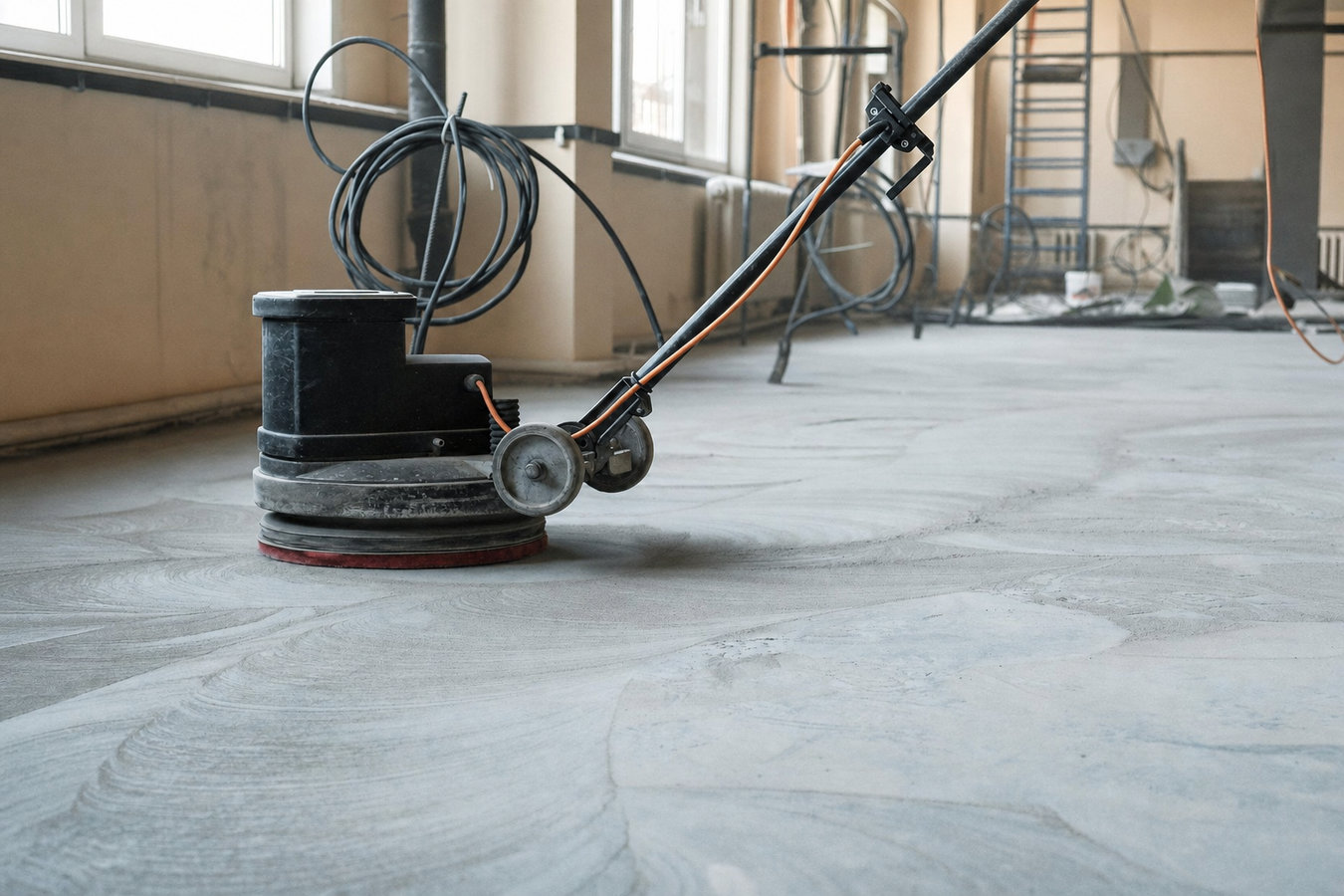
When a cracked, heaving, or failing slab is beyond repair, the right move is to remove it completely. We break up and haul old concrete cleanly - with proper dust control, itemized quotes, and permit handling - so your project starts fresh without surprises.
Concrete floor stripping and removal in South Lake Tahoe means breaking up an existing slab using jackhammers or ride-on equipment, pulling out any rebar or wire mesh inside the concrete, and hauling everything away so the space is completely clear - most standard residential garage or basement slabs are done in one to two days depending on slab thickness and site access.
It is loud, dusty work - but a professional crew contains the mess, checks for embedded pipes and wiring before breaking anything, and leaves the subgrade level and ready for whatever comes next. Not every damaged floor needs full removal. If your slab is structurally sound but looks worn or has a failing coating, grinding and concrete resurfacing and overlays is often the faster and more cost-effective path. Full removal makes sense when the slab has settled unevenly, cracked through structurally, or has moisture problems underneath that patching cannot fix.
In South Lake Tahoe, freeze-thaw cycles and snowmelt pressure cause slabs to deteriorate faster than at lower elevations - which means removal and replacement comes up sooner than homeowners expect. Scheduling the work in the right season, and having the subgrade assessed before a new pour, are the two details that determine whether the replacement slab holds up better than the one you removed.
If you can see cracks wide enough to catch a finger, and sections of the slab have risen or dropped relative to each other, the damage is structural - not just cosmetic. In South Lake Tahoe, freeze-thaw cycles and snowmelt pressure under the slab are common drivers of this kind of movement. Surface patching will not fix a slab that has shifted, and the problem will worsen each winter.
Standing water on your concrete floor in spring, or moisture coming up through the slab, signals that drainage under the concrete is compromised. In the Tahoe basin, snowmelt volumes are enormous - a slab sitting over saturated soil will continue to heave and crack no matter how many times it is patched. Removing the slab and addressing the drainage before re-pouring is the only lasting fix.
If an old epoxy, paint, or sealer is coming up in sheets, and the concrete underneath is soft, crumbling, or contaminated with oil, stripping the whole surface or removing the slab entirely is the right call before any new finish goes down. Surface coatings cannot bond properly to compromised concrete.
If you are finishing a basement, converting a garage to living space, or adding in-floor heating, the existing slab may not be at the right height or condition for the new use. Removing it gives you a clean starting point to install insulation, vapor barriers, or heating elements before a new floor goes in - a common project in South Lake Tahoe as older cabins get upgraded for year-round living.
Before any breaking starts, we check for pipes, electrical conduit, or radiant heating lines embedded in the slab - hitting one of those is expensive and dangerous. We use wet-cutting methods and vacuum attachments to control silica dust throughout the job, because OSHA silica dust standards protect both our crew and the people living in the home. Rebar and wire mesh removal is included in every itemized quote - some contractors charge it as an add-on, and finding that out after the fact is frustrating. We also handle permit pulling through the City of South Lake Tahoe or El Dorado County when the project requires one, so that step does not fall on you.
When the concrete is out, we assess the condition of the subgrade before leaving. In South Lake Tahoe, it is common to find that snowmelt and poor drainage have left the soil underneath soft or eroded - if the same drainage problem that damaged the first slab is not addressed, a new slab will repeat the same failure. For spaces ready for a new finish, epoxy floor coatings are one of the most durable options once the new slab has cured.
Garage floors, basement slabs, and interior concrete removed cleanly with dust control and sealed-off living areas - suited for renovation and remodel projects.
Driveways, patios, and pool surrounds broken up and hauled away, with TRPA review handled when the project involves impervious surface changes.
Steel reinforcement cut and pulled from broken concrete and included in the quote upfront - no surprise add-ons when the crew finds mesh inside the slab.
The ground underneath is left level and assessed for drainage before you commit to a new pour - so the replacement slab does not repeat the same problem.
South Lake Tahoe sits at roughly 6,200 feet, and temperatures drop below freezing regularly from November through March. The freeze-thaw cycle that comes with that elevation is one of the most common reasons homeowners here end up needing a slab removed - water works into cracks, freezes, expands, and repeats until what was a manageable crack becomes a structural failure. The slabs that need removal in this area have often been through decades of that stress. Many of the homes here were built in the 1950s through 1980s, and those original slabs have been through a lot. Homeowners in South Lake Tahoe dealing with slabs from that era often find that the concrete itself has deteriorated past the point where repairs make financial sense.
Disposal is also a more involved process here than in a flatland city. Broken concrete is heavy - a four-inch slab weighs roughly 50 pounds per square foot - and hauling distances in the Tahoe basin are longer than in larger urban areas, which pushes disposal costs toward the higher end of the range. Most of what we remove goes to a recycling facility where it is crushed and reused as road base or fill material, keeping it out of a landfill. Homeowners in Meyers and throughout the surrounding communities should expect disposal to be a real line item in any honest quote - not an afterthought.
We ask a few quick questions - what kind of space it is, roughly how big, and what you are planning after the concrete comes out. This helps us show up to the estimate with the right information and give you a realistic sense of timeline and cost. We respond to all inquiries within 1 business day.
We come out to look at the space in person before giving you a firm price. We check slab thickness, look for signs of what is underneath, note access challenges, and identify whether there is rebar or wire mesh that needs to be cut out separately. You receive a written quote that breaks out labor, equipment, rebar removal, and disposal.
Depending on your project scope, a permit may be required through the City of South Lake Tahoe Building Division or El Dorado County. We handle pulling any required permits - this protects you legally and ensures the work is on record. Once permits are confirmed and a start date is set, you know exactly when the crew is coming.
The crew breaks the slab into pieces, loads it out, and leaves the subgrade level and clean. Plan to be away from the immediate area - the work is loud. We assess what is under the slab before leaving and walk you through the space so you can see the condition of the ground before committing to a new pour.
Free itemized quote. Disposal and rebar removal included in writing. We pull permits so you do not have to figure out which jurisdiction applies.
(530) 307-5779In the Tahoe basin, hauling costs are higher than in flatland cities because distances are longer and options are fewer. We spell out exactly what is included - debris hauling, rebar cutting, and disposal - in writing before work starts. The number you agree to is the number you pay at the end.
Concrete removal releases silica dust, and in a mountain home where living spaces are close to the work area, that dust can travel further than you expect. We use wet-cutting methods and vacuum attachments throughout, and seal off doorways to living areas before a single jackhammer swings. Your home stays livable after we leave.
We pull every permit your project requires through the City of South Lake Tahoe or El Dorado County - and we know which jurisdiction applies to your address. Working without permits might seem faster, but it creates real problems when you sell your home or file an insurance claim. We do it the right way from the start.
One of the most common findings in Tahoe-area concrete removal is saturated or poorly draining soil underneath the old slab - the same condition that cracked the first one. We assess the subgrade condition before we leave so you know what you are working with, not after you have already paid for a new pour on compromised ground.
Concrete removal done well is not exciting, but it is consequential - everything that goes on top of that subgrade depends on it being done right. The Tahoe Regional Planning Agency has jurisdiction over impervious surface and drainage standards throughout the Lake Tahoe basin, and a contractor familiar with that layer of review keeps your project from hitting unexpected delays.
Once the old slab is out and a fresh one is poured, epoxy coatings are one of the most durable and cleanable finish options for garages and interior spaces.
Learn MoreIf your slab is structurally sound but looks worn or has a failing surface coating, resurfacing may be the faster and more cost-effective path before committing to full removal.
Learn MoreSouth Lake Tahoe crews fill their calendars fast once the weather turns - reach out now to lock in your date and keep your project on track this season.