
Loading...
Serving South Lake Tahoe, CA and surrounding areas. (530) 307-5779
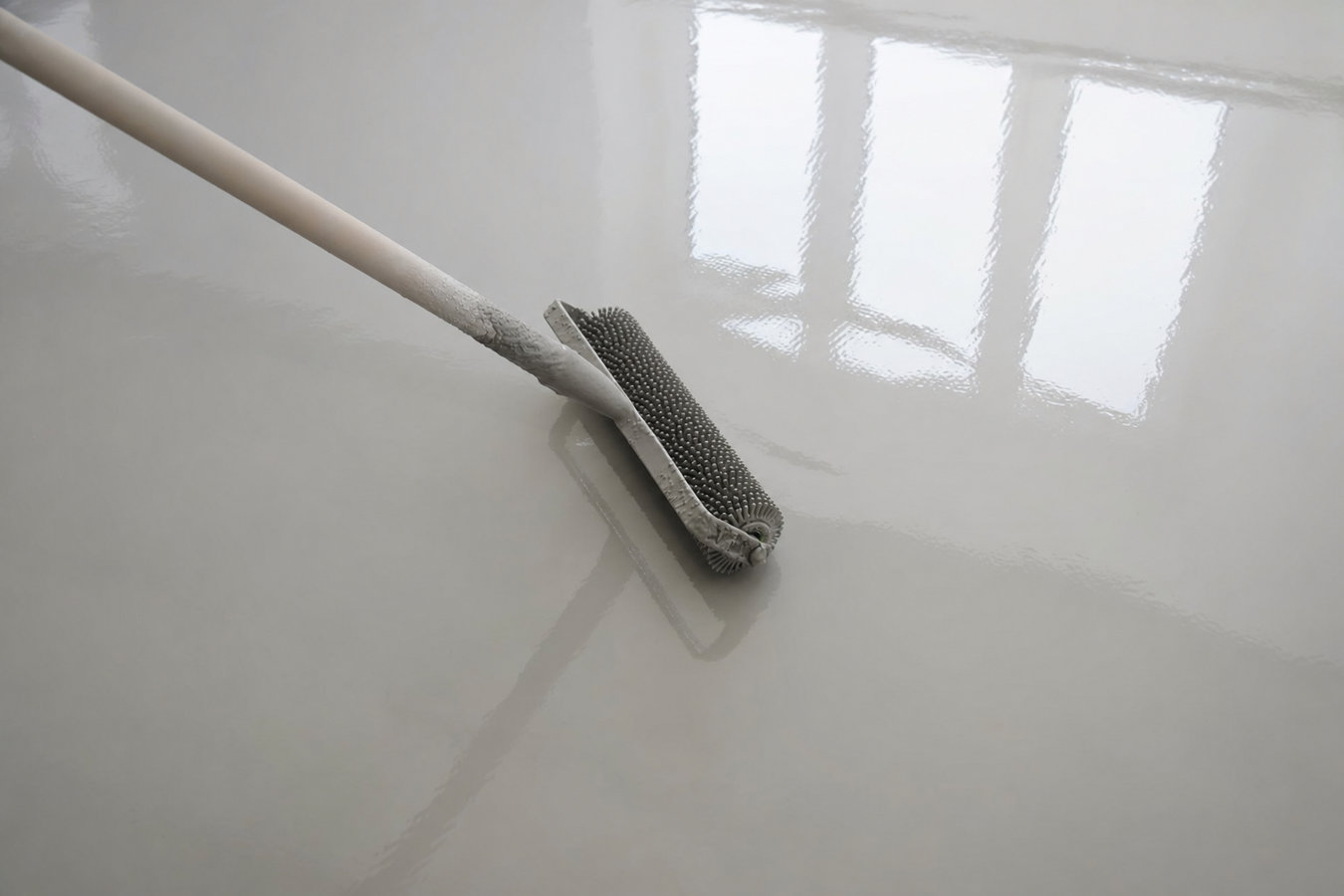
Every Tahoe winter, unprotected concrete absorbs water, road salt, and freeze-thaw cycles that slowly crack and pit the surface. One sealing job before the snow flies keeps that damage from starting - or from getting worse.
Concrete sealing in South Lake Tahoe puts a thin protective layer over your concrete that blocks water, road salt, and freeze-thaw cycles from working into the surface, with most residential driveways and patios completed in a single day and ready for foot traffic within 24 hours.
Think of it as a raincoat for your driveway. Without that layer, moisture works into the tiny pores of the slab, freezes overnight, expands, and slowly breaks the surface apart from the inside. In South Lake Tahoe, where that cycle repeats dozens of times between November and March, unprotected concrete deteriorates faster than in almost any other California city. The de-icing chemicals that Caltrans and the city use on local roads all winter add another layer of chemical attack that unsealed surfaces absorb directly.
If your concrete already shows pitting or crumbling from past winters, sealing alone may not be the right first step - we would need to discuss concrete grinding and surface preparation to remove the damaged layer first. Sealing over badly deteriorated concrete covers the problem temporarily but does not stop the breakdown underneath.
Pour a small cup of water on your driveway or patio. If it soaks in within a minute or two and darkens the concrete, the sealer is gone or was never there. Healthy sealed concrete makes water bead up and sit on the surface, the same way water beads on a waxed car. This is the fastest, most reliable test you can do yourself.
If your concrete looks like it is peeling in thin layers or has small pits and craters after the snow melts, that is freeze-thaw damage at work. South Lake Tahoe winters are hard on unprotected concrete, and this kind of surface breakdown tends to get worse each year if it is not addressed. Sealing will not reverse existing damage, but it will slow or stop the progression.
A chalky white film on your concrete - especially after wet weather - is a sign that water is moving through the slab and pulling minerals to the surface as it evaporates. In South Lake Tahoe this is a common early warning sign after wet winters and snowmelt seasons. It signals that moisture is getting into your concrete more than it should and that sealing is overdue.
Even if your concrete looks fine, sealers wear out over time - especially on surfaces that deal with heavy snowfall, plowing, and temperature swings like those in South Lake Tahoe. If you cannot remember the last time it was sealed, or if you have owned the property for several years without doing it, it is worth having a contractor take a look before another winter arrives.
The prep work determines whether the sealer bonds and lasts. Before a drop of sealer goes down, the surface has to be pressure-washed, degreased if needed, and completely dry. Any cracks get filled at this stage. In South Lake Tahoe that drying step can take longer than homeowners expect - cool temperatures and higher humidity mean slabs hold moisture, and sealing over a damp surface leads to the peeling and cloudiness that signals a job done in a rush. If the concrete has significant surface damage or old failed sealer that needs to come off, we start with concrete grinding and surface preparation before sealing so the new coat has a clean surface to bond to.
For surfaces that have deteriorated beyond what sealing can address - significant crumbling, deep cracking, or large areas of missing concrete - we can discuss concrete resurfacing and overlays as a path to restoring the surface before a sealer goes on top. The Portland Cement Association recommends waiting at least 28 days after a new pour before sealing - a guideline we follow on every new-slab job to make sure the concrete has fully cured.
Soaks into the concrete and chemically bonds with the material - no visible film on the surface. Best for driveways and exterior flatwork where you want maximum protection without changing the appearance.
Leaves a clear or lightly tinted film on the surface that adds a low-sheen finish and repels water and stains. Suited for patios, pool decks, and decorative concrete where appearance matters alongside protection.
Creates a wet-look finish that deepens color and gives concrete a polished stone appearance. Popular in garages and main living areas where the floor is meant to be a design feature.
Addresses cracks and surface staining before sealer application - ensures the finished job looks even and the sealer performs as intended rather than bridging over problems underneath.
South Lake Tahoe sits at roughly 6,200 feet, and temperatures that drop below freezing at night - even in spring and fall - create conditions that are genuinely destructive to unsealed concrete. The repeated freeze-thaw cycle is not a minor inconvenience; it is the leading cause of driveway and patio deterioration in this area, and it compounds every year that concrete goes unprotected. The practical outdoor sealing window here runs roughly late May through September. Miss that window and you are waiting another year while your surfaces keep taking damage. Short-term rental owners with properties here face an additional consideration: high-turnover properties absorb more vehicle and foot traffic than a typical primary residence, which means sealers wear down faster and staying on a regular maintenance schedule matters more.
The Lake Tahoe Basin is also one of the most environmentally protected regions in the country, overseen by the Tahoe Regional Planning Agency. Contractors working here should use products that are appropriate near sensitive water resources and manage any runoff from prep work properly. Homeowners in Stateline, NV and Zephyr Cove, NV are also in or near the basin, and the same environmental standards apply. Ask your contractor how they handle product selection and cleanup before agreeing to anything - a contractor familiar with working in this area will already have the answer.
Tell us the surface you want sealed, roughly how large it is, and whether there is visible damage or staining. We reply within one business day and schedule an in-person visit before giving you a firm written estimate.
We look at the concrete closely - checking for cracks, old sealer, oil stains, and moisture. We also watch the forecast, because sealing cannot happen if rain or freezing temperatures are coming within the next day or two. This shapes exactly what prep work is needed.
The surface is pressure-washed, degreased if needed, and allowed to dry completely. Cracks are filled. This can take several hours or a full day depending on conditions. Nothing gets skipped - the prep is what makes the sealer last.
The sealer goes down in one or two thin, even coats. Plan for at least 24 hours before foot traffic and 48 to 72 hours before driving on it - longer in cooler fall temperatures. We walk the finished surface with you before packing up and tell you exactly when it is safe to use.
The window for exterior sealing in South Lake Tahoe is short - tell us what you have and we will give you a straight answer on what it needs.
(530) 307-5779In South Lake Tahoe there is a genuine and limited season for exterior concrete work. We plan projects around the local forecast and your schedule - so the sealer goes down during conditions that let it cure properly, not just whenever a slot opens up on our end.
The Lake Tahoe Basin has strict environmental standards overseen by the Tahoe Regional Planning Agency. We use products that are appropriate near sensitive water resources and handle prep runoff properly - keeping you out of compliance trouble and the basin's water quality intact.
South Lake Tahoe has a large short-term rental market, and those properties wear through sealers faster than a primary residence. We understand the scheduling pressures of working around bookings and the maintenance rhythm that keeps rental properties in good shape between visits.
At South Lake Tahoe's elevation, surfaces hold moisture longer than they appear to. We confirm the concrete is dry enough to accept a sealer before application - skipping this step is one of the most common reasons sealing jobs peel or cloud over within the first season.
Concrete sealing is not complicated work, but doing it right in South Lake Tahoe requires paying attention to timing, moisture, and product choice in ways that matter here more than in most places. That attention is what separates a sealer that holds for years from one that clouds over by the following spring.
For concrete that has deteriorated beyond what sealing can address, resurfacing applies a fresh layer over the existing slab before a sealer goes on top.
Learn MoreWhen old sealer, failed coatings, or freeze-thaw damage need to be removed first, grinding creates the clean surface that makes a new seal last.
Learn MoreThe outdoor sealing season in South Lake Tahoe runs roughly late May through September - lock in your date now so your driveway or patio is protected before the first freeze.