
Loading...
Serving South Lake Tahoe, CA and surrounding areas. (530) 307-5779
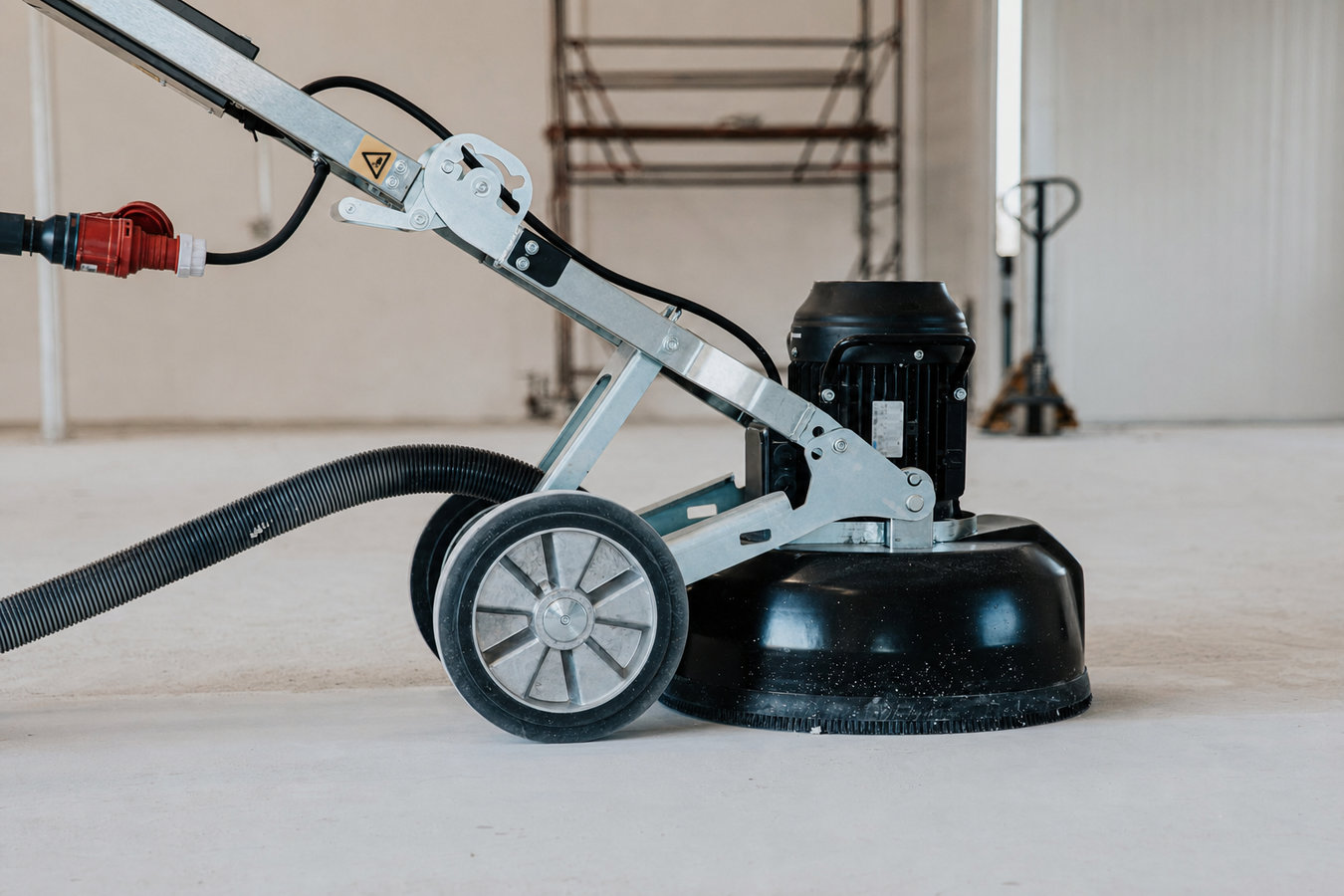
Coatings peel when the surface underneath was not prepared properly. We grind your concrete down to a clean, open profile so the next coating bonds tight - and stays that way through Tahoe winters.
Concrete grinding in South Lake Tahoe uses heavy diamond-tipped machines to shave the surface down to a clean, uniform profile, removing old coatings, adhesives, and freeze-thaw damaged layers, with most single-car garage projects completed in a single day.
Skipping this step is the single most common reason floor coatings fail. A coating applied over a surface that has not been ground cannot bond properly - it sits on top of contamination and damaged concrete instead of locking into a clean pore structure. In South Lake Tahoe, where garages and driveways deal with tracked-in road salt, snowmelt, and repeated freeze-thaw cycles every winter, that bond has to be solid or the coating will start lifting within a season or two.
Once the surface is properly ground and the profile is right, you have a solid foundation for concrete sealing, epoxy coatings, polished concrete, or any other finish. The grinding step is the foundation - everything else depends on it.
If your garage floor coating is lifting, peeling in sheets, or forming bubbles, the surface underneath was likely not properly prepared before the coating went down. In South Lake Tahoe this is extremely common - moisture from tracked-in snow works its way under coatings that never bonded to a properly ground slab. Grinding removes the failed coating and gives the next application a solid foundation.
If your concrete looks like the top layer has been eaten away - small holes, a sandpaper texture, or areas that crumble when pressed - freeze-thaw cycles have been working on it for multiple winters. This kind of surface breakdown is very common in the Tahoe basin and tends to get worse each season. Grinding removes the damaged layer and exposes fresh, solid concrete underneath.
High spots, uneven joints, or areas where one section of concrete has settled slightly higher than another are not just annoying - they are a tripping hazard and can damage vehicles over time. If you notice a bump you have to step over or a ridge that catches your tires, grinding can level the surface without the cost of tearing out and replacing the whole slab.
If you pulled up old tile, carpet, or wood flooring and the concrete underneath has patches of adhesive, paint, or uneven texture, that surface is not ready for anything new. You can usually see this as dark stains, raised patches, or areas that feel tacky underfoot. Grinding removes all of that and leaves a clean, uniform surface that new flooring or coatings can bond to properly.
We match the grinding approach to what the surface actually needs - heavier passes for badly damaged or coated slabs, lighter finishing passes for surfaces that just need to be opened up before sealing. After grinding, we do a moisture test before any coating goes down. In South Lake Tahoe that step matters: the cool, high-humidity environment here means slabs can hold more moisture than they appear to from the surface. A damp slab under a new coating is one of the most reliable ways to create the same peeling problem you were trying to fix. For surfaces that need more than grinding, we can discuss concrete sealing as the protective step that follows, or concrete floor stripping and removal for situations where the existing coating is too thick or bonded to grind through efficiently.
Our crews use industrial vacuums attached directly to the grinding machines to manage silica dust on-site. The OSHA silica standard for construction work sets clear requirements for dust control during concrete grinding - any contractor who shows up without dust extraction equipment is cutting a corner that affects both your home and their crew.
Ideal for garages and slabs where a previous coating failed or old adhesive from tile or carpet needs to come off before a new finish can go down.
Suited for driveways, entryways, or commercial floors where uneven joints, bumps, or raised patches create a tripping hazard or uneven finish.
Addresses the pitted, crumbling top layer that repeated Tahoe winters leave behind - exposing solid concrete underneath that can be sealed or coated.
Opens the concrete pores to the correct surface profile for the specific coating being applied - epoxy, polyaspartic, sealer, or decorative finish.
South Lake Tahoe sits at roughly 6,200 feet, and temperatures regularly drop well below freezing from November through March. Water seeps into tiny cracks in concrete, freezes, expands, and breaks the surface apart - a cycle that repeats dozens of times each winter. What this means in practice is that concrete surfaces here deteriorate faster than in lower-elevation California cities, and the damage accumulates in the top layer of the slab - exactly the layer that grinding addresses. Driveways and garage floors that might go a decade in a warmer city without needing surface work often show significant pitting and roughness in South Lake Tahoe after just a few winters. Heavy snow removal - with metal shovels, snowblowers, and equipment that contacts the surface directly - adds another layer of wear that is specific to this area.
The Lake Tahoe Basin is also governed by strict environmental rules enforced by the Tahoe Regional Planning Agency, which means contractors working here need to handle grinding waste - including the slurry produced during wet grinding - responsibly. Homeowners in South Lake Tahoe, CA and nearby Meyers, CA should ask any contractor they are considering how they manage runoff and disposal on the job site - a contractor who works regularly in the basin will have a clear answer.
Tell us the size of the area, what is on the surface now, and what you want to do with it afterward. We reply within one business day and schedule an in-person visit before giving you a firm price.
We come out to look at the surface in person - checking for cracks, old coatings, and moisture. You get a written estimate that breaks down exactly what is included, not just a single number.
Before the crew arrives, clear the space completely - vehicles out, stored items moved. The machines are loud and produce fine dust even with vacuums attached, so plan around that. Most standard garage jobs are done in a single day.
After grinding we walk the surface with you before packing up. If a coating is going on next, the slab needs 24 to 72 hours to dry and pass a moisture test first - we will give you the specific timeline based on conditions that week.
We prep the surface right the first time - so the coating you put down actually lasts.
(530) 307-5779At South Lake Tahoe's elevation, slabs hold moisture longer than they appear to from the surface. We test before any coating is applied - a step many contractors skip - because coating a damp slab guarantees the same peeling problem you called us to fix.
The Lake Tahoe Basin has strict environmental rules about grinding waste and runoff. We manage slurry and dust properly on every project - protecting you from environmental liability and keeping the basin's water quality standards intact.
The wrong grinding discs on the wrong slab damage more than they help. We match the grit and tool type to what the surface actually needs - heavier tooling for thick coatings, finer finishing passes for pre-coat profiling - so the result is even, not gouged.
California requires a C-8 concrete license for this type of work. You can verify any contractor's license on the California Contractors State License Board website in about 30 seconds before you sign anything.
Proper surface preparation is not glamorous work, but it is the step that determines whether everything else holds. We take it seriously because the homeowners we work with in South Lake Tahoe have already dealt with coatings that did not last - and they do not want to do it again.
The natural next step after grinding - a sealer locks out moisture, road salt, and freeze-thaw damage so your freshly prepared surface stays protected.
Learn MoreFor coatings too thick or bonded to grind through efficiently, stripping removes the existing layer completely before surface preparation begins.
Learn MoreSouth Lake Tahoe's outdoor working season runs roughly May through October - most crews are booked solid by early summer, so locking in your date now means your surface is ready before winter arrives.